
The visit to the projects shared with the Piarist Province of West Africa continues.
We continue to visit the projects that the Itaka-Escolapios network shares with the Piarist Province of West Africa, learning more about the reality of the boarding schools and educational centers, listening to those who make them possible every day, and strengthening the network.
FOURTH DAY | OUSSOUYE (Province of Ziguinchor)
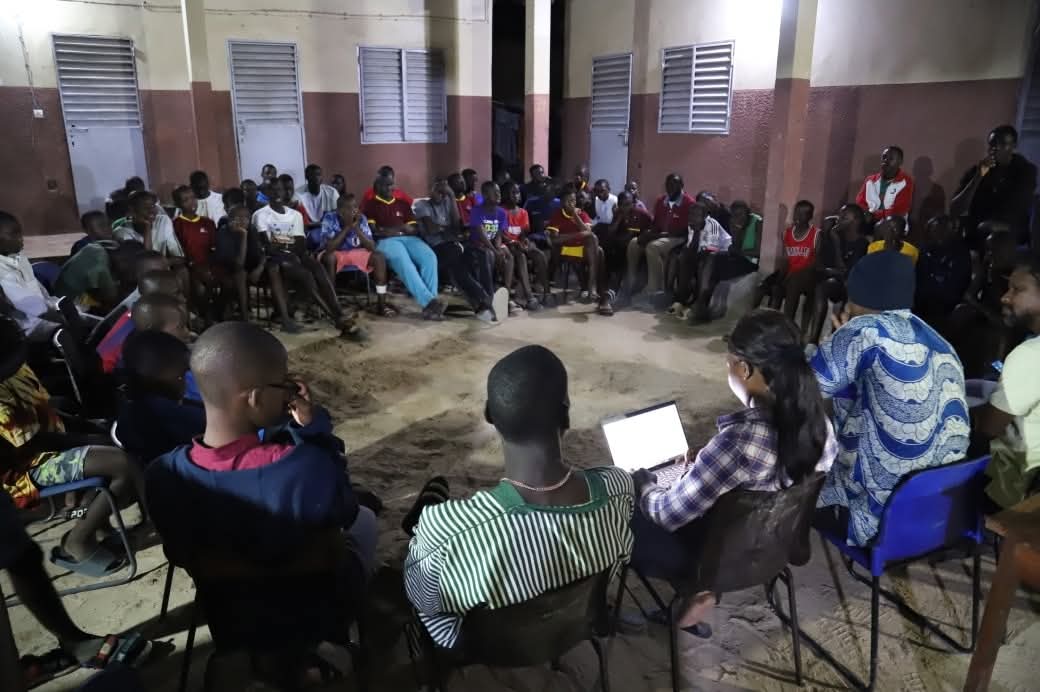
We visited the boys' boarding school in Oussouye, located next to the Piarist community and the Joseph Faye secondary school and high school, also Piarist.
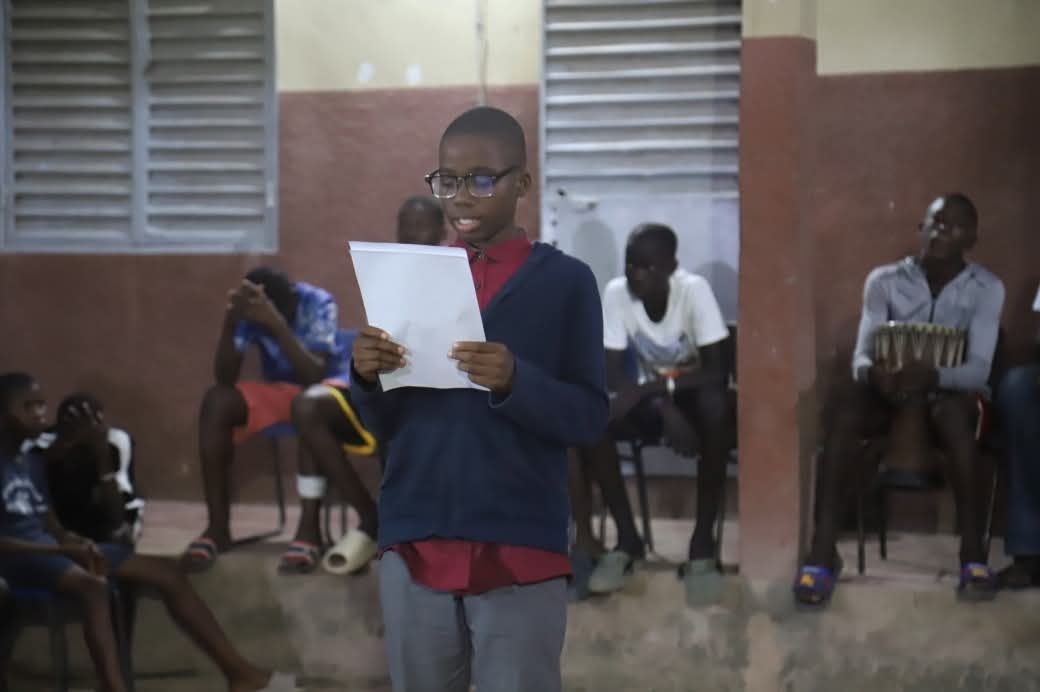
We shared an assembly with children, young people, and teenagers, a valuable opportunity to learn firsthand how the boarding school works and how they live their daily lives.
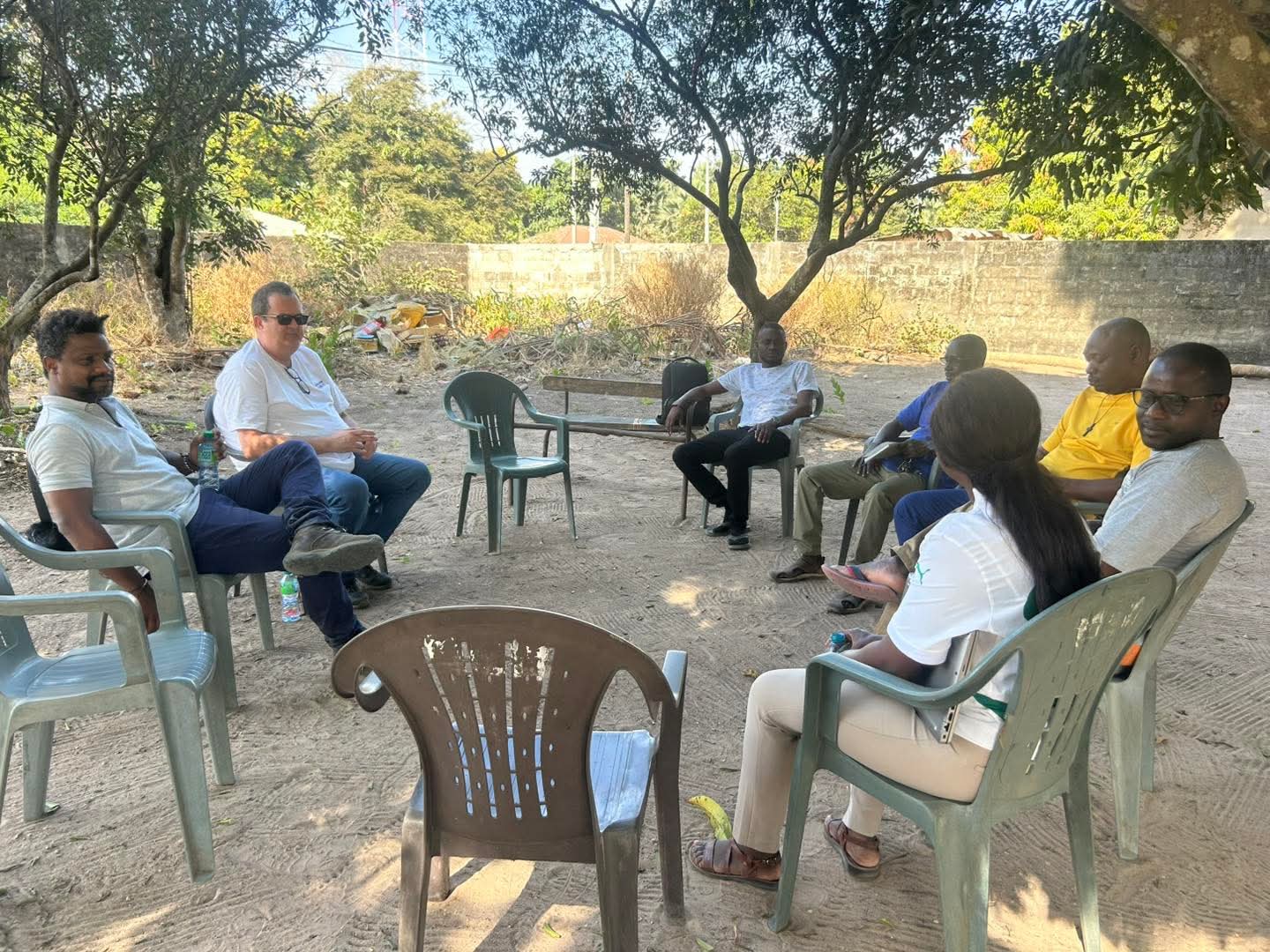
After the assembly, we held a meeting with the educator and the director, delving deeper into the challenges, strengths, and needs of the center.
FIFTH DAY | MLOMP
Just 10 km from Oussouye—although the condition of the road makes the journey quite an experience—is Mlomp, another essential part of this mission.
In this rural area, the Piarists and Itaka-Piarists run a boarding school and a nursery, along with a Piarist secondary school, a primary school run by the Order, and a boarding school run by the Piarist Sisters. It is a comprehensive educational program in a rural setting that accompanies children and adolescents through all stages of their lives.
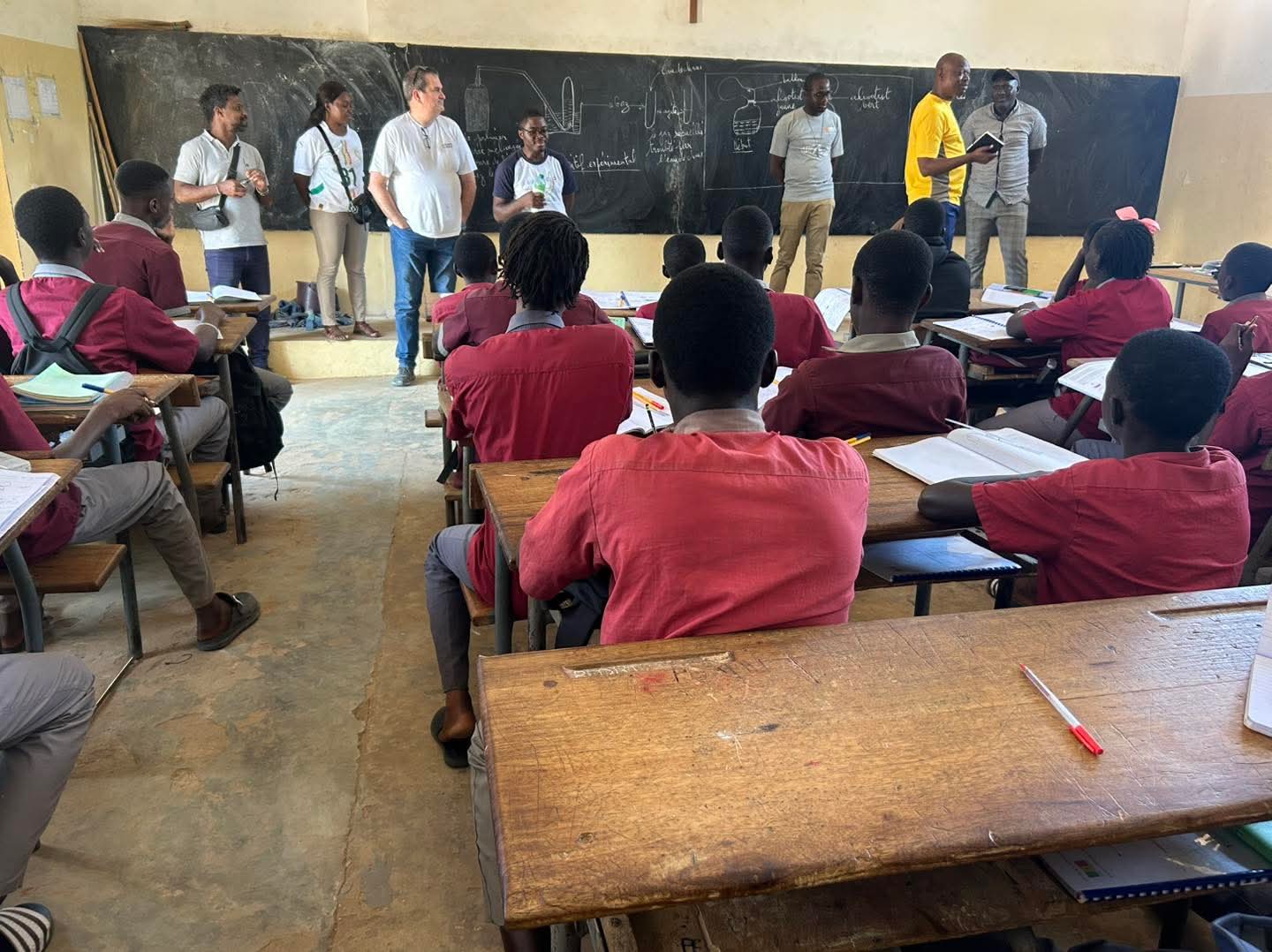
We visited all the facilities and met with the boys and girls to learn about their lives and their expectations for the future. We also held meetings with the educational staff and management teams of the various centers and boarding schools.
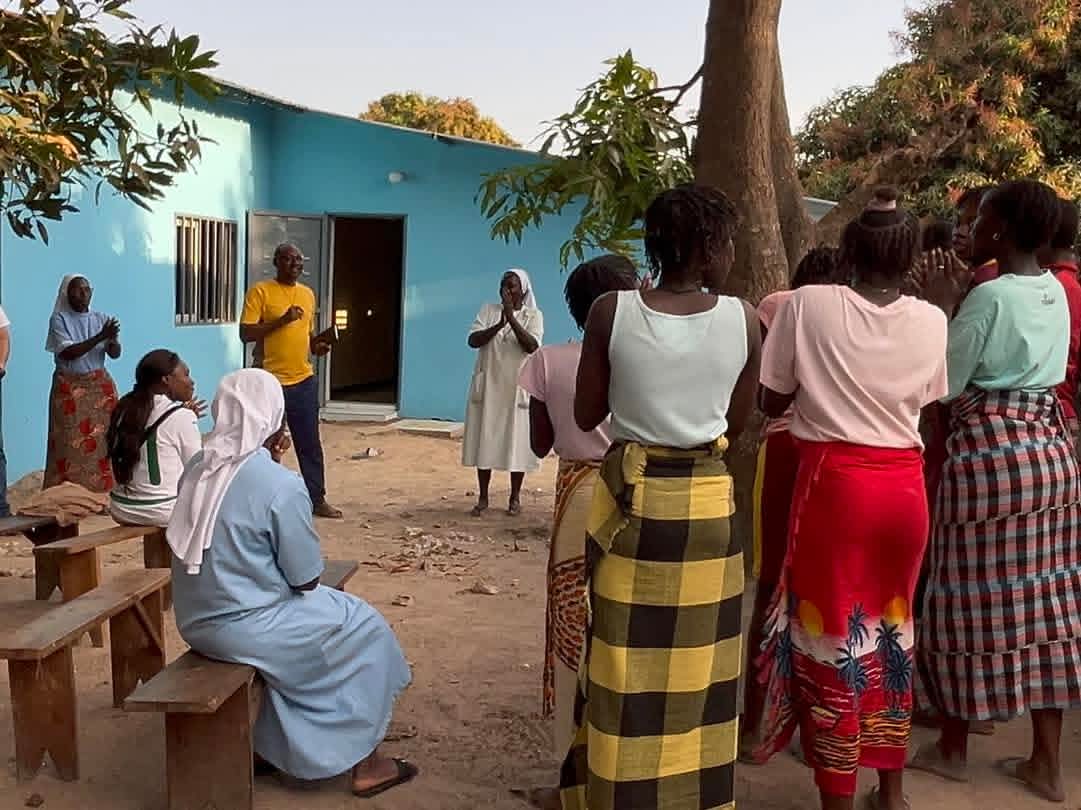
In addition, we visited the boarding school of the Senegalese female order Saint Marie de Coure to learn about how it operates, as its boarders attend the Piarist centers.
DAY SIX | CABROUSSE
After celebrating Mass in the parish of Mlomp, we headed to Cabrousse, where Itaka-Escolapios and the Piarists of West Africa have a social center.
It is a large space with two blocks of dormitories, bathrooms, and multipurpose rooms, which is currently almost unused. The visit invites us to rethink how it operates and its potential in serving the mission.
We ended the day by heading back to Dakar: a nine-hour journey filled with conversation, reflection, and shared experiences.



Last news
Follow us


