
Piarist Non-Formal Education Meeting: ECOSYSTEMS OF INCLUSION
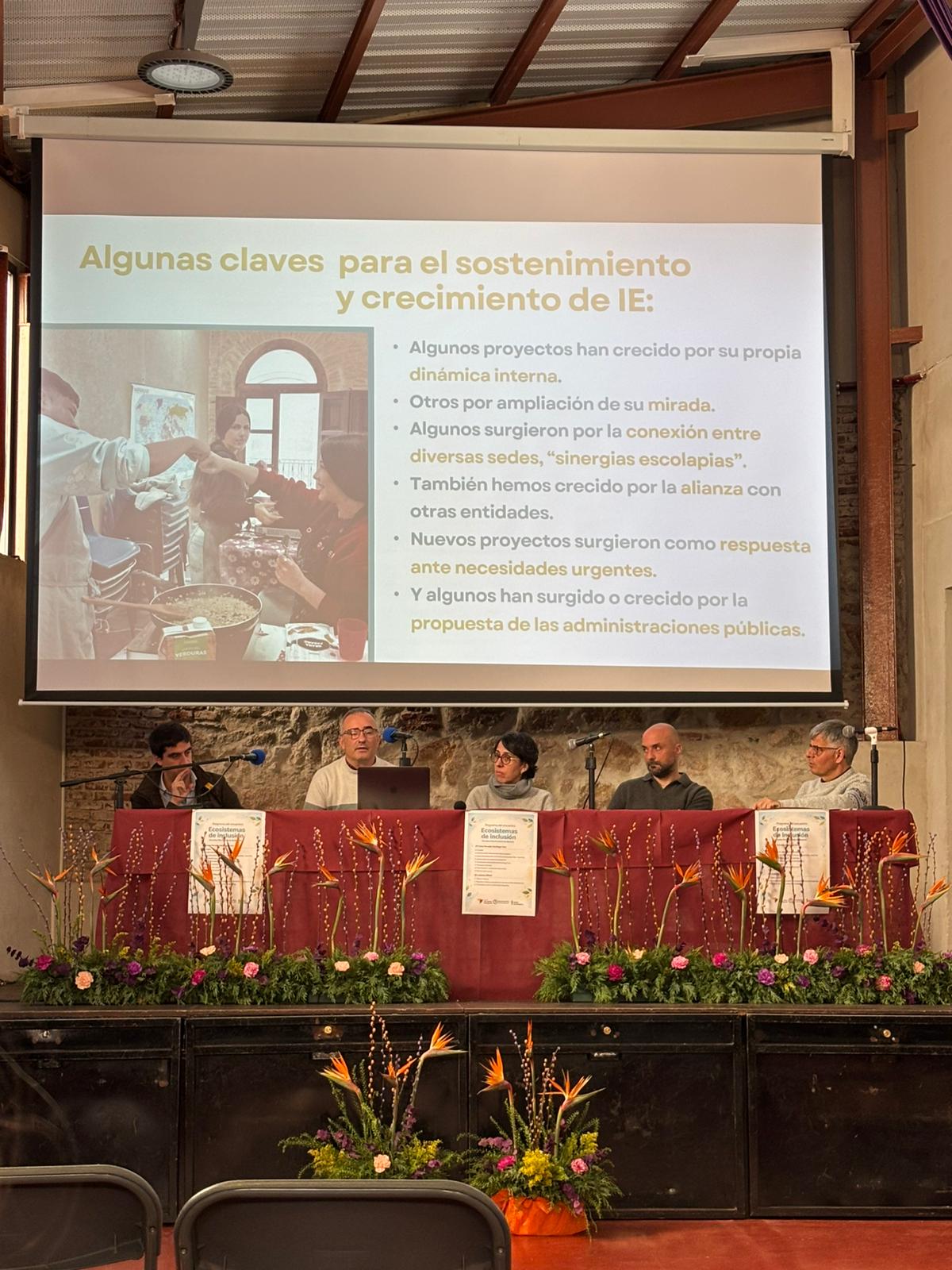
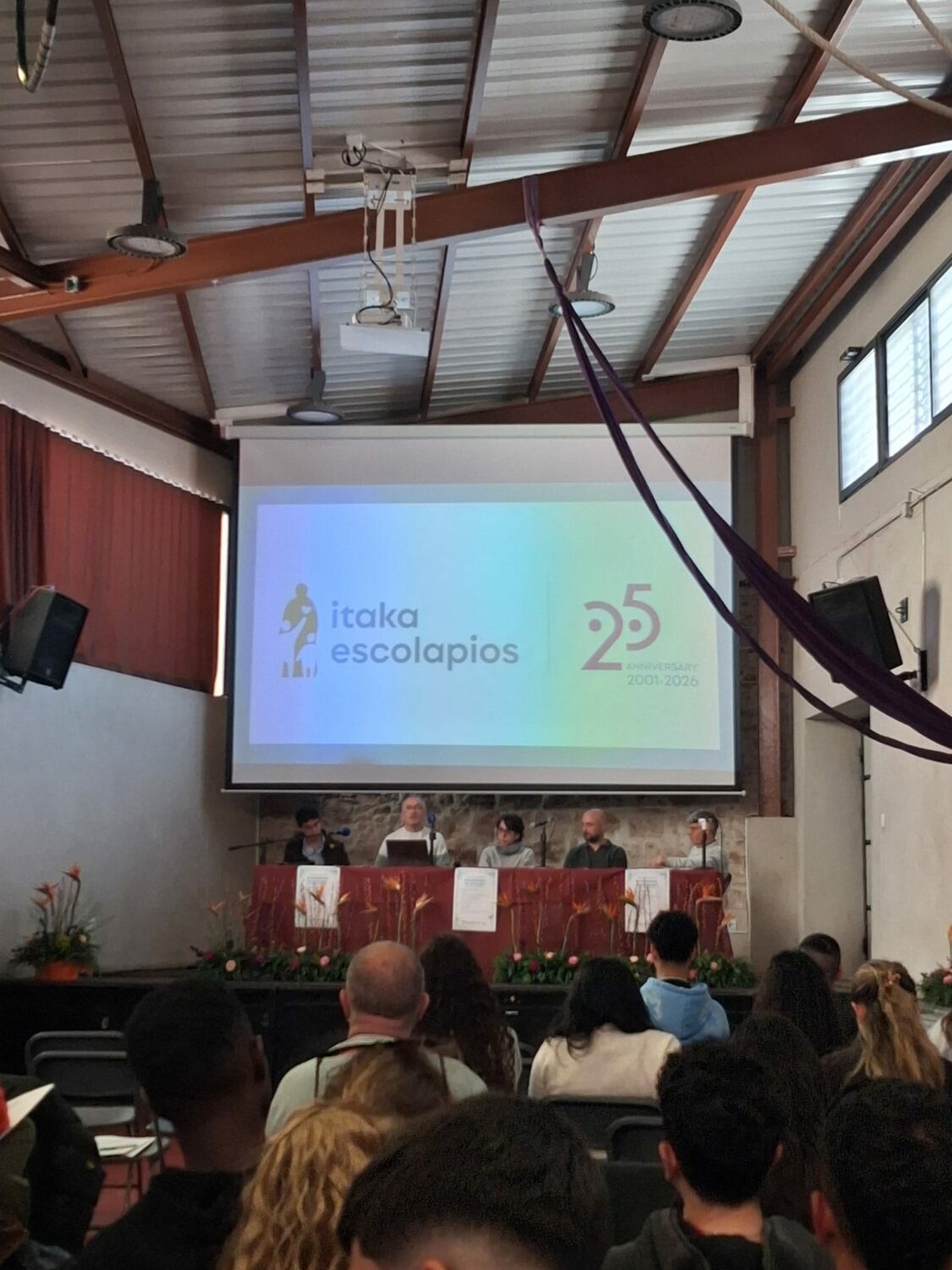
Under the title ECOSYSTEMS OF INCLUSION, a Piarist non-formal education meeting was held in Salamanca on Thursday, March 26. Reviving an initiative previously developed by the former Spanish circumscription, representatives from the other two Spanish regions—Catalonia and Emmaus—joined the gathering of non-formal education (NFE) projects and initiatives from our Betania province. The aim was to get to know one another better and generate synergies that help keep alive our mission to serve children, adolescents, and young people with warmth and quality—those who, by right, deserve new and meaningful opportunities.
In addition to learning about the Order’s activities and initiatives in the field of Non-Formal Education—recognized since 2009—from the outset, all attendees were invited to look beyond their immediate context and recognize themselves collectively as a community that does not walk alone within the framework of the Pious Schools, and that believes a shift in society’s perspective is possible—because a more inclusive outlook is achievable—and that Calasanz is undoubtedly our inspiration.
The work being carried out in the field of Non-Formal Education at the boarding school of the Calasanz School in Salamanca was shared; all the projects and initiatives of the Camins Foundation were presented, as well as those of the Itaka-Escolapios Network being developed in Spain, in the provinces of Betania and Emmaus. And finally, with the help of the young people living there, the “Santiago Uno ecosystem” was presented. And thanks to Omar, several of the attendees were able to discover that Calasanz continues to inspire some young people today through his dedication and courage.
The second part of the morning, through a roundtable discussion, focused on the implementation of three of the intervention models we carry out in the Piarist ENF projects. Models such as the one developed by art therapist Laura Garcia at Llum (a socio-educational center in Valencia), as a judgment-free space for creation, where art is not presented as a skill but as a recognition of our own creative authenticity and as a space for freedom and self-knowledge.
Or the systemic model developed in the Projecte Acollida (F. Camins), or the comprehensive and personalized support of APM (Support for Migrants) by Itaka-Escolapios.
Berna from Barcelona and Ali from Bilbao facilitated a joint reflection among the audience on the causes and consequences of migration processes, as well as the Piarist responses we are providing in both locations; with high-quality care from the professionals and the spectacular participation of a large number of volunteers who make it possible.
It was also a wonderful opportunity for participants from the Itaka-Escolapios network, representing various Piarist communities, to meet in person as part of the 25th-anniversary celebration, just a few weeks after the international online gathering.
From homes in Soria, Vitoria, Pamplona, or Bilbao, or from socio-educational centers in Madrid, Zaragoza, Granada, or Valencia, we celebrated everything that unites us with the joy of sharing in person and learning about the initiatives of Camins and Santiago Uno.
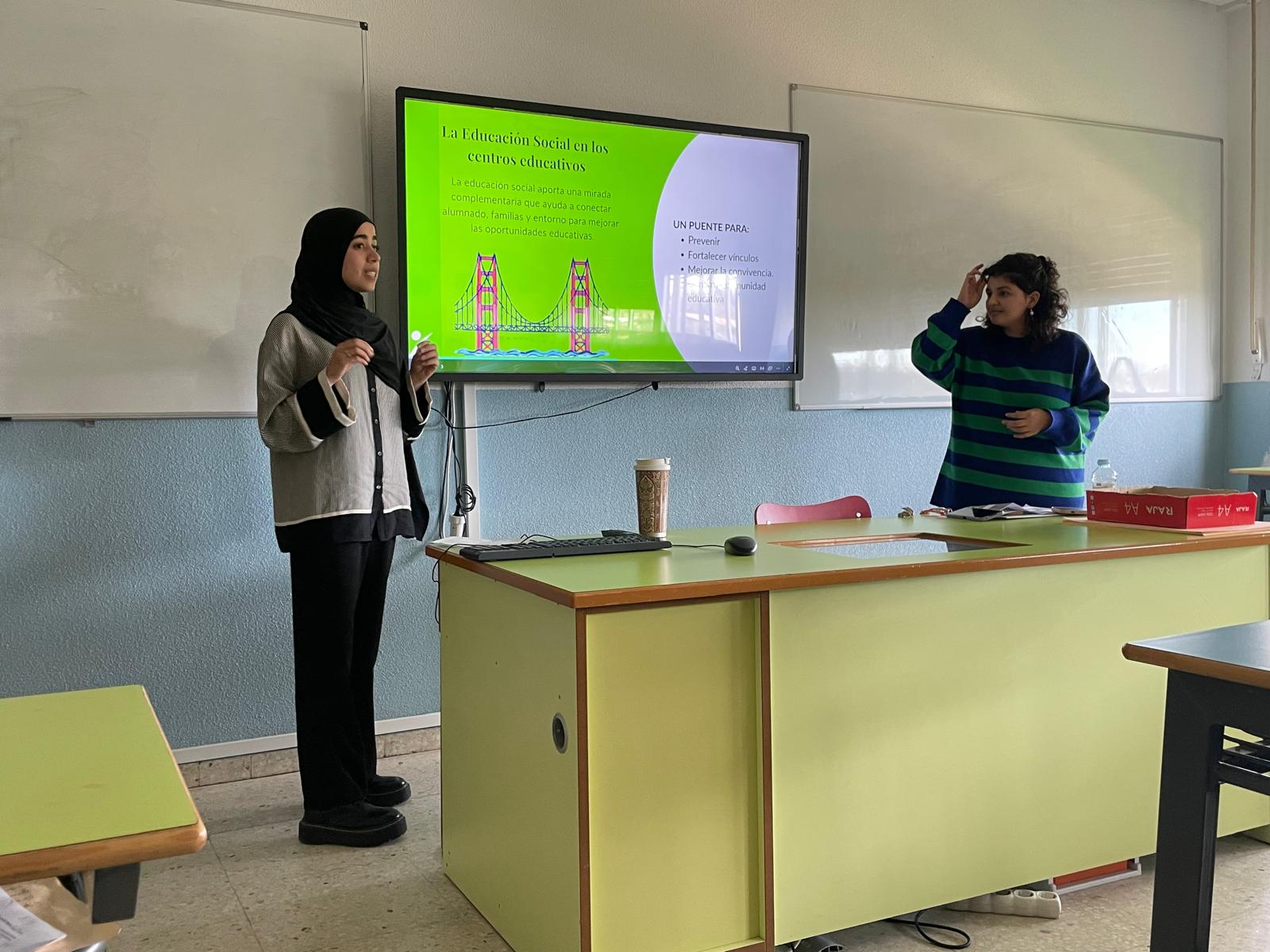
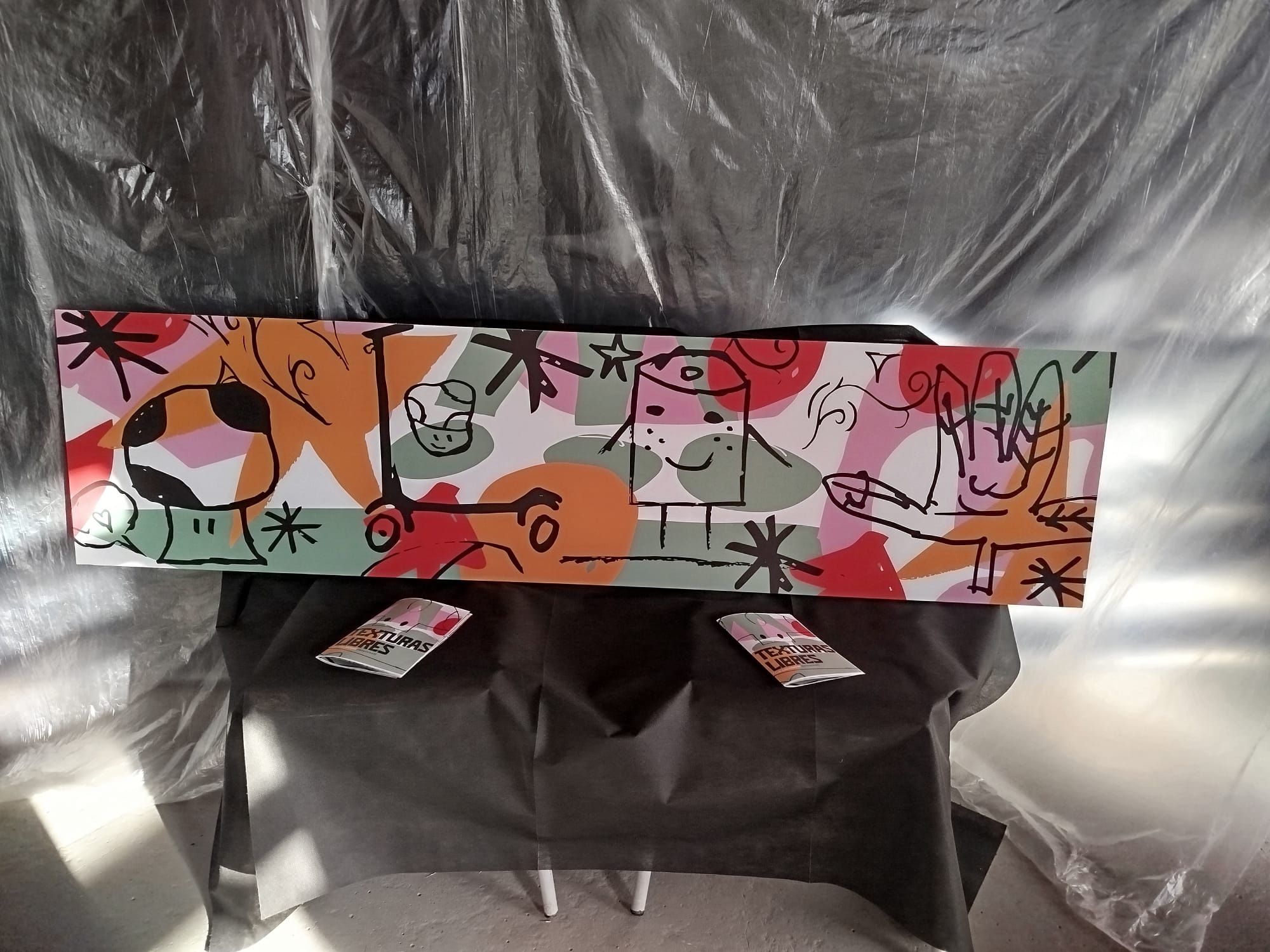
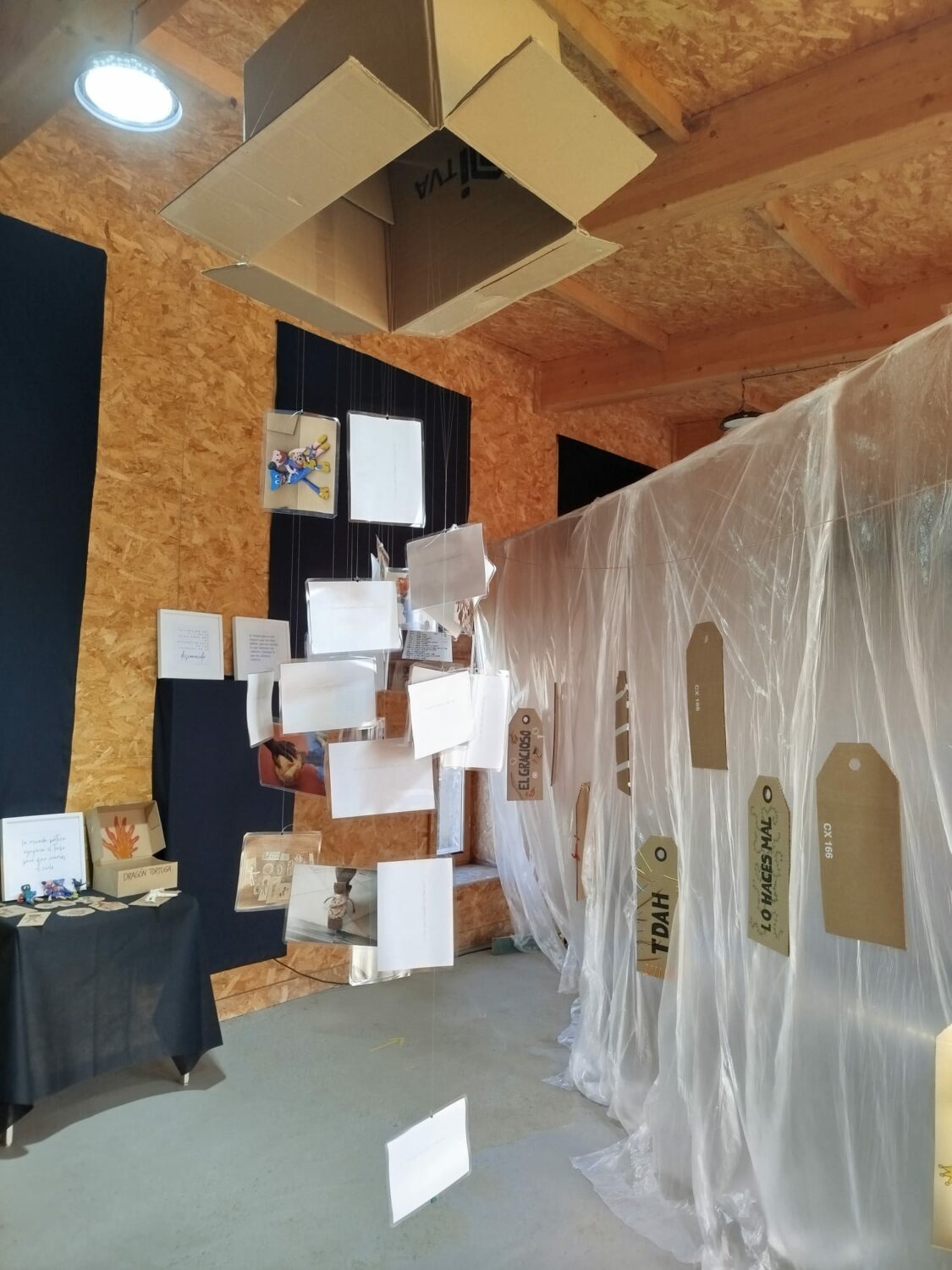
After a meal specially prepared by educators and young culinary students from Santiago Uno, all attendees moved to the Lorenzo Milani School to share the artistic work developed over the past two months by the boys and girls from the socio-educational projects in Valencia and Salamanca through a wonderful exhibition designed to be easily transported to any of our locations. There were also workshops offering a closer look at some of the initiatives taking place across our country: the involvement of social educators at the Piarist schools in Mataró and Terrassa; the work with families through the ACOMPAÑA project by Itaka-Escolapios Zaragoza; and the CEA classroom featuring birds of prey, floristry workshops, and the eco-social garden at the Mil Caminos Foundation of Santiago Uno.
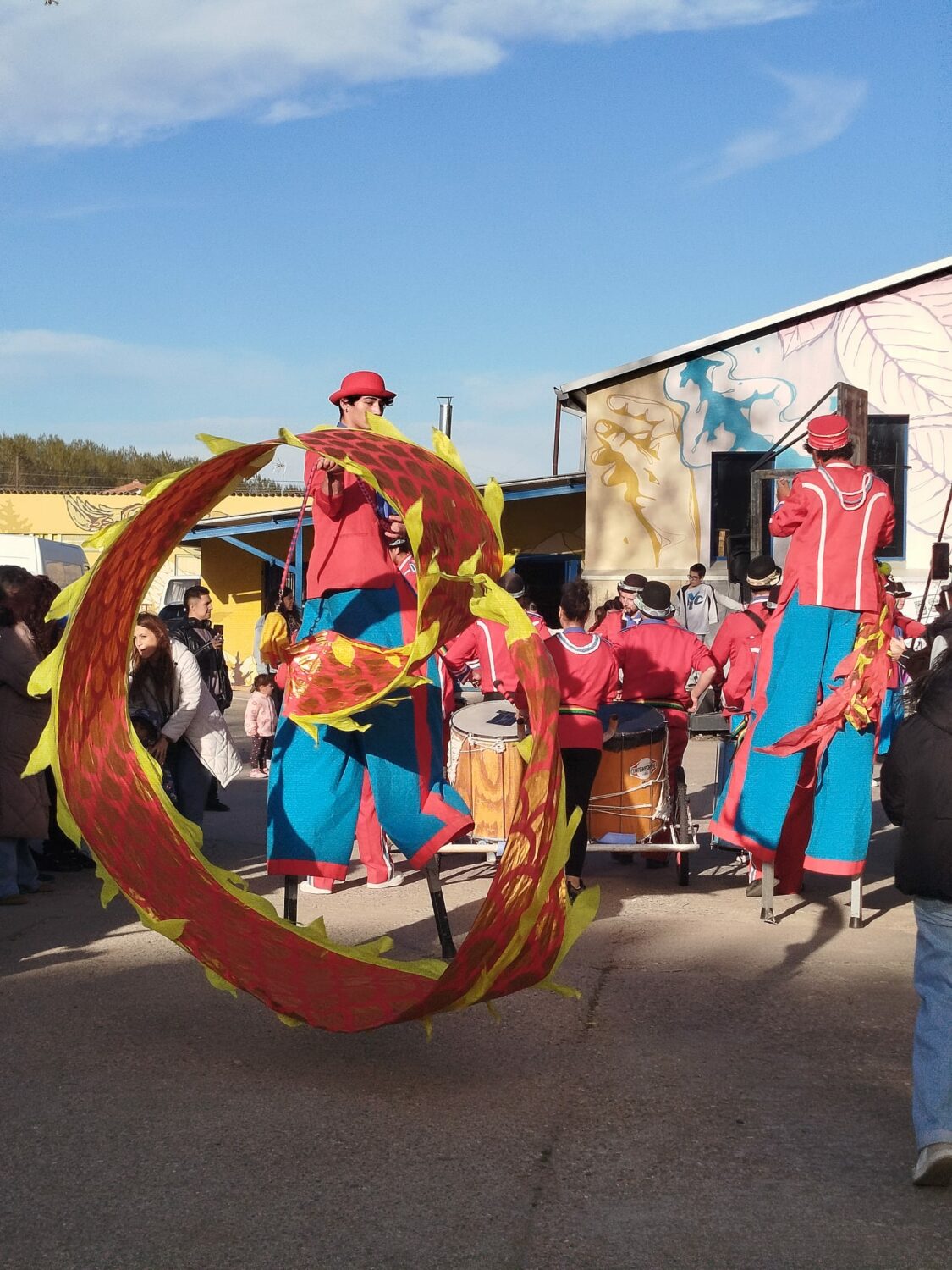
The event concluded with a spectacular performance by the Santiago Uno Circus School. Percussion, breakdancing, magic, juggling, and aerial acrobatics were among the acts—performed with increasing professionalism—that took the stage before the closing. The joy of these children and young people, who give their all during the performance, also demonstrating the satisfaction of a job well done—the result of many hours of training and education—brings smiles to the spectators’ faces and fosters recognition of a job well done, which undoubtedly helps us believe in the “magic” of education as a driving force for personal and social change.
Thanks to the administrators, educators, and boys and girls of Santiago Uno for the wonderful local organization and hospitality; everyone was able to enjoy a marvelous, sunny day in Salamanca.
The following poem by Eduardo Galeano sums up the inspiration for many laypeople and religious Piarists whenever they look at so many educational and social projects, because “the struggle for justice and beauty is worth it”:
We have the joy of our joys
And we also have
the joy of our sorrows
Because we are not interested in the painless life
that consumer culture
sells in supermarkets
And we are proud
of the price of so much pain
that we pay for so much love.
We
have the joy of our mistakes,
stumbles that show the passion
for walking and the love of the journey,
We have the joy of our defeats
because the struggle
for justice and beauty
is worth it even when we lose
And above all, we have
the joy of our hopes
in the midst of the trend of disillusionment,
when disillusionment has become
a mass-market and universal commodity.
We
continue to believe
in the amazing powers
of the human embrace.
Eduardo Galeano










Last news
Follow us


